find your perfect postgrad program
Search our Database of 30,000 Courses
Additional Financial Information
There are many additional cost factors for international student that you should keep in mind if you choose to study in the UK. The International Student Office at your chosen university should be able to answer most of your questions, but here we’ve provided a quick guide to some common international student questions.
Opening a bank account in the UK
Be aware that opening a bank account in the UK can take several days or even several weeks, so leave enough time to get this done before your course starts, especially if you know you will need to use your bank account in the future. Here are some points to consider:
• If a bank only offers you a cashcard (a kind of card where money can only be withdrawn through that bank’s cash machine), then ensure they have a branch near to you.
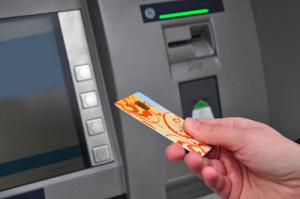 • See if your bank in your home country has any ties to banks in the UK. If, for example, you use Santander in Spain then you may find transferring to Santander in the UK easier then setting up a new account in a new bank.
• You will need your passport, proof of your student visa or immigration status (such as your Biometric Residence Permit or visa share code), a letter confirming your place on a course from your university, and proof of UK address (like a tenancy agreement or university confirmation letter) to apply for a UK bank account. Make sure you have all the necessary documents before setting up a bank appointment because without these items you will not get very far.
• Always consider what rates you are getting from a bank, and what kind of services are offered.
• There are charges for using foreign currencies in most banks, so try and keep everything to Pounds Sterling.
Popular options for international students in 2026 include HSBC's dedicated International Student Bank Account (fee‑free in the UK with discounts on accommodation and offers), digital banks like Starling Bank or Revolut for fee‑free spending abroad and low international transfers, and high street choices like Santander or Lloyds for easy branch access.
Money transfers and fees
Sending money from home to your UK account or back is a key consideration, with exchange rates and fees adding up quickly. Services like Wise or Flywire offer competitive mid‑market rates and low fees compared to traditional banks, which can charge 2–3% plus fixed costs (£5–£25 per transfer). For example, transferring £1,000 to euros might save £20–£30 using an app versus a high street bank.
Post to and from the UK
The UK has a good post service, but posting items back and forth from your country can be costly.
Try and make sure that you bring everything you need with you and limit the amount of things you need to send.
Communication
If possible use the internet to communicate back home.
Apps like WhatsApp, Zoom or FaceTime work well over WiFi or data, with most universities offering free or discounted high‑speed internet in halls and libraries to keep costs down.
UK SIM cards with international minutes (eg £10–£20/month for 20GB data) or eSIMs from providers like Airalo are great for mobiles, especially with 5G coverage now standard.
Find your PERFECT POSTGRAD PROGRAM